(852) 5729 0686



Physical Strength & Metabolism Management After 40: Entering middle age often comes with declining physical stamina, backaches, and a slower metabolism, which are natural physiological signals caused by muscle loss and hormonal shifts. The key lies in foundational conditioning through “a high-protein whole-food diet, dual-track aerobic and strength training, and a consistent sleep routine,” paired with objective, rational evaluation principles for midlife health supplements to maintain immune defense and sustain youthful vitality.
🌿 4 Key Action Steps for the 40+ Group to Sustained Vitality
🛡️ Target Audience & Self-Check
Ideal for individuals over 40 who feel slower recovery times, experience backaches from prolonged sitting, eat out frequently with declining metabolism, are facing early perimenopausal shifts, or experience high stress levels. Fine-tuning small daily habits step-by-step offers far more sustainable benefits than pursuing short-term, strict plans.
💡 Usage Precautions & Medical Red Flags
- Supplements are not panaceas: Probiotics, Vitamin D, Calcium, or Fucoidan are intended solely for health maintenance and supportive conditioning; they cannot replace formal medical care or prescription drugs.
- Seek prompt medical care for red flags: If you experience persistent chest pain, shortness of breath, fainting, sudden weakness or slurred speech on one side, unexplained rapid weight loss, or severe chronic insomnia, seek immediate medical assistance and do not delay treatment.

Introduction: What Notable Changes Occur in the Body After Age 40?
As people enter their 40s, many notice clear shifts in both physical and mental well-being. These physiological changes stem primarily from natural age-related muscle loss (a precursor to sarcopenia), declining basal metabolic rate, and ongoing work and family pressures:
Metabolic and Fitness Shifts: Lower basal metabolism leads to gradual increases in weight, waist circumference, blood pressure, blood sugar, or blood lipids.
Perimenopausal Transitions in Women: Hormonal fluctuations can bring irregular menstrual cycles, hot flashes, night sweats, sleep instability, and mood swings.
Declining Energy in Men: Gradual annual drops in testosterone levels, compounded by work stress, alcohol, or lack of sleep, often lead to persistent fatigue and reduced focus.
These are natural biological transitions. Through daily health management and suitable health supplement support for middle age, you can sustain your youthfulness and vitality.
4 Key Methods to Help Middle-Aged Adults Regain Energy
1. Dietary Adjustments: Centered Around Whole Foods and Quality Protein

Extreme fasting should be avoided during middle age. The most sustainable approach is controlling refined sugars and processed foods while ensuring adequate protein and dietary fiber with each meal.[1]
| Diet Focus | Practical Action |
| Increase Vegetables | Include at least one serving of colorful vegetables in both lunch and dinner. |
| Replenish Protein | Choose fish, eggs, soy products, chicken, or leaner cuts of meat. |
| Prioritize Whole Grains | Replace refined starches with brown rice, oats, sweet potatoes, or whole-wheat bread. |
| Select Healthy Fats | Opt for nuts, seeds, and fish, while avoiding repeatedly deep-fried foods. |
| Control Beverages | Swap sugary drinks for water, unsweetened tea, or other sugar-free alternatives. |
| Maintain Regularity | Avoid skipping meals for long periods followed by overeating. |
🗒️ Micro-Tweak Tip for Dining Out: You don’t need a complete lifestyle overhaul—start by asking for half-rice, adding an extra portion of vegetables, and choosing unsweetened drinks.
2. Exercise Planning: Pair Aerobics with “Strength Training” to Prevent Muscle Loss
Aerobic exercise alone (like walking) cannot fully halt middle-age muscle decline. According to the World Health Organization (WHO), adults aged 18 to 64 should aim for: [2]
1. Aerobic Exercise: At least 150 minutes of moderate-intensity activity per week (e.g., brisk walking or cycling where heart rate rises but conversation is still possible), or 75 minutes of vigorous activity.
2. Strength Training: At least 2 days a week targeting major muscle groups with resistance exercises.
3. Step-by-Step 4-Week Plan for Beginners:
Week 1: Walk briskly for 10–15 minutes after dinner regularly.
Weeks 2–3: Extend brisk walking to 30 minutes, 5 days a week.
Week 4 Onward: Add home-based strength training twice a week (e.g., bodyweight squats, wall push-ups, resistance band rows).
4. Daily Micro-Habits: If sitting in an office for long periods, stand up every 45 minutes to stretch or walk for 2 minutes.
⚠️ If you have a history of cardiovascular disease, chest pain, severe joint pain, or dizziness, consult a physician before starting a new exercise routine.
3. Restorative Sleep: Cultivating a “Consistent Routine” Beats Weekend Catch-Up Sleep

Inadequate sleep directly impacts mood, immunity, and insulin sensitivity. Midlife sleep disturbances are often linked to stress, hormonal shifts, or sleep apnea.
Lock in Your Circadian Rhythm: Go to bed and wake up at consistent times every day, including weekends.
Optimize Your Sleep Environment: Keep the bedroom dark, quiet, and set to a comfortable temperature (22–25°C / 71–77°F).
Pre-Bed Wind-Down Ritual: Disconnect from smartphones and blue light 1 hour before bed; avoid alcohol or heavy, salty late-night snacks.
Seek Professional Medical Advice: If you experience severe snoring, sudden gasping during sleep, or chronic insomnia, consult a sleep specialist or cardiologist.
4. Stress Management: Create a Daily 15-Minute “Buffer Time”

Middle-aged adults frequently face the “sandwich generation” stress of caring for both elderly parents and children. Managing stress isn’t about reaching a perfect mindset; it’s about giving your sympathetic nervous system a chance to rest.
Daily Micro-Ritual: Set aside 15–20 minutes daily completely free from work notifications—use it to go for a walk, listen to music, read, or practice deep breathing.
Psychological Support: If you experience persistent low mood, anxiety, or an inability to handle daily tasks, seek timely assistance from a psychiatrist or clinical psychologist.
What Health Screenings Do Middle-Aged Adults Need?
Health checkups shouldn’t just be about getting the maximum number of tests at once. Instead, they should be tailored according to age, gender, family history, lifestyle habits, and existing health conditions. You can start by discussing blood pressure, weight and waist circumference, blood sugar, lipid profiles, liver and kidney functions, as well as age-appropriate cancer screenings and vaccination needs with your family physician.
If you have risk factors such as smoking, excess alcohol intake, obesity, a sedentary lifestyle, or a family history of early cardiovascular disease or diabetes, the frequency of checkups and follow-ups may need personalized adjustments. Women can discuss breast, cervical, and menopause-related care with healthcare providers; men can discuss urological and other evaluations based on symptoms and individual risk factors.
Test results should be interpreted by medical professionals. Do not assume all health risks are absent just because a single value is normal, nor should you panic excessively over a single abnormal reading.
How to Choose Supplements After 40? 5 Rational Evaluation Principles
According to the National Institutes of Health (NIH), adequate nutrient intake supports bodily functions, but dietary supplements cannot replace medications, nor can they prevent or cure diseases.[3]
Follow This Self-Assessment Sequence Before Choosing Midlife Health Supplements:
1. Review Your Daily Diet: Can you obtain the required nutrients from whole foods first?
2. Check Medical Screening Data: Do blood tests show clear deficiencies (such as low Vitamin D or anemia)?
3. Check Drug Interactions: Could supplements conflict with current chronic condition medications (e.g., blood thinners, blood pressure drugs)?
4. Inspect Labels and Certifications: Does the product clearly state dosages and provide third-party lab test reports (e.g., SGS, SNQ)?
5. Observe Physical Response & Set a Stop Loss: Evaluate changes after 1–3 months of supplementation. Discontinue immediately if there are no benefits or if discomfort occurs.
When Purchasing Supplements, Middle-Aged Adults Can Prioritize Ingredients Based on Personal Needs:
Bone & Immune Support: Vitamin D, Calcium, Magnesium
Cardiovascular & Metabolic Support: Omega-3 (Deep-Sea Fish Oil), Coenzyme Q10
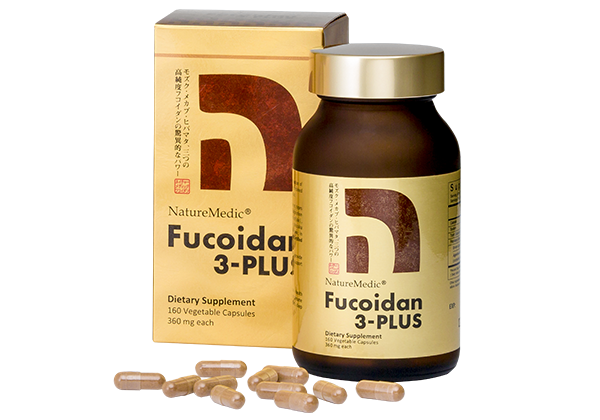
Digestive & Protective Support: Probiotics, Fucoidan
Targeted supplementation is far better than indiscriminate use. Clarify your needs before making a purchase decision.
Frequently Asked Questions About Midlife Health (FAQ)
Q1: How much exercise is enough per day after age 40?
Accumulating 150 minutes of moderate-intensity aerobic exercise per week, plus 2 days of strength training, is sufficient. If time is limited, splitting activity into three 10-minute brisk walks daily is equally effective. Consistency matters more than single high-intensity sessions.[2]
Q2: Do middle-aged adults mandatory need health supplements?
Not necessarily. A balanced diet, regular exercise, and adequate sleep always come first. Supplements serve as “nutritional gap-fillers” and should only be used when dietary intake is insufficient or special needs are identified through medical evaluation.
Q3: Should Vitamin D and Calcium be taken together?
Not always. Although both support bone health, supplementation dosages should depend on sun exposure, serum Vitamin D levels, and bone density assessments. Excessive intake of calcium or Vitamin D can actually increase the risk of kidney stones or vascular calcification.
Q4: Can probiotics boost immunity?
Different probiotic strains offer different functional benefits. When selecting products, pay attention to specific patented strain identifiers and clinical trial data.
Q5: What role does Fucoidan play in midlife health maintenance?
Fucoidan is a type of polysaccharide. Some studies indicate its potential value in health maintenance, post-illness nutrition, and supportive conditioning, but it must never replace formal medical treatment or cancer therapies.
Q6: Which symptoms require immediate medical attention rather than lifestyle adjustments alone?
If you experience chest tightness, chest pain, difficulty breathing, sudden numbness or slurred speech on one side of the body (warning signs of stroke), unexplained rapid weight loss, or severe chronic insomnia, seek immediate hospital medical care. Do not rely solely on lifestyle changes or supplements, as this may delay treatment.
Conclusion: Master the Fundamentals First, Then Consider Extra Supplementation
Midlife health is not about seeking quick, one-time fixes, but rather embedding key habits into daily life. Begin by accumulating sufficient weekly activity, adding two days of strength training, increasing whole food intake, keeping a regular sleep routine, and managing stress. Then, evaluate the need for dietary supplementation based on screening results and personal needs.
The content of this article is intended for health information sharing and educational reference only; it is not a substitute for professional diagnosis and treatment by a physician. Please consult your attending physician or clinical dietitian regarding personal dietary changes, exercise plans, and health supplement use during recovery.
Citations from Authoritative Institutions & International Journals: To ensure accuracy and EEAT-level educational value, the content on midlife fitness, muscle protection, sleep mechanisms, and rational supplement choice in this article references clinical evidence and global guidelines published by the World Health Organization (WHO), the National Center for Biotechnology Information (NCBI / PMC), and the National Institutes of Health (NIH).
1. Age-Related Muscle Loss After 40, Sarcopenia, and Protein Nutrition Prevention Strategies
Research Topic: Investigating the physiological mechanisms of age-related decline in muscle mass and strength in adults after age 40, alongside the synergistic effects of protein intake and resistance exercise on muscle preservation.
Main Conclusion: Muscle mass decreases by approximately 8% per decade after middle age. Consuming quality protein (e.g., fish, eggs, legumes) combined with resistance exercise serves as a critical intervention to prevent basal metabolic decline and maintain musculoskeletal health.
《Sarcopenia With Aging: Acceleration by Chronic Disease, Exercise, and Dietary Intervention》
2. World Health Organization (WHO) Guidelines on Physical Activity and Sedentary Behaviour
Research Topic: Physical activity, aerobic volume, and resistance training guidelines published for adults aged 18 to 64 and middle-aged demographics to prevent chronic diseases and metabolic syndrome.
Main Conclusion: Middle-aged adults should perform at least 150–300 minutes of moderate-intensity aerobic physical activity weekly, combined with muscle-strengthening activities targeting major muscle groups on 2 or more days a week, to mitigate sarcopenia risk, improve cardiovascular health, and maintain metabolic stability.
《WHO Guidelines on Physical Activity and Sedentary Behaviour》
3. National Institutes of Health (NIH) Guidelines for Rational Dietary Supplement Use
Research Topic: Assessing real-world scientific evidence and safety regarding health supplements (including Vitamin D, Calcium, Probiotics, and plant-extracted polysaccharides) in human nutritional supplementation, immune maintenance, and chronic disease prevention.
Main Conclusion: Dietary supplements should function as “gap-fillers” to a balanced diet rather than drug substitutes; individuals should evaluate dietary habits and lab results before supplementation to avoid indiscriminate high-dose use and protect liver/kidney health.
《Dietary Supplements: What You Need to Know》
🛡️ Medical Evidence & Quality Review Statement
All references on this page are sourced from authoritative international medical institutions and peer-reviewed journals (WHO, PubMed Central, NIH ODS). They aim to provide objective, science-backed midlife health management and educational information, and do not replace formal diagnosis or treatment by professional physicians.