(852) 5729 0686


Critical Care & Nutrition Guide: During high-intensity treatments, malnutrition and muscle loss pose a far greater threat than “eating the wrong food.” Dispelling myths like “starving bad cells” and avoiding extreme dietary restrictions are essential to maintaining strength and immunity through proper protein intake and targeted nutrition.
🌿 Debunking Myths & Actionable Nutrition Strategies
🛡️ Target Audience & Supplementary Support
Specifically tailored for patients undergoing active treatments (chemo/radiotherapy), individuals experiencing rapid weight loss, and caregivers facing dietary anxiety. Fucoidan can be added as a complementary supplement to balance immunity and ease side effects, though it should never replace core meals.
💡 Fucoidan Formulations & Safety Tips
- Formulation Guide: Choose Capsules for early stages or stable recovery; opt for Liquid Concentrate during intense treatment phases, severe side effects, or difficulty swallowing.
- Safety Precaution: Patients taking blood thinners or preparing for surgery should consult their primary physician prior to use.
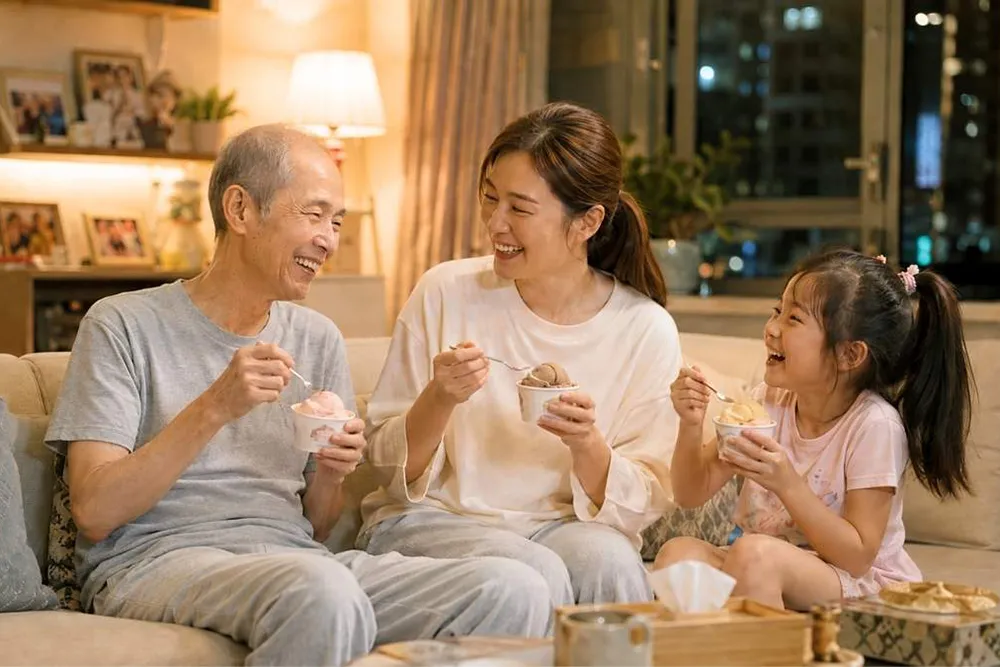
“Is chicken toxic? Does beef cause inflammation? Should they switch to a strict vegan diet?”
When a family member is diagnosed with a severe health challenge, many caregivers, out of deep love and profound concern, immediately activate an “extreme dietary restriction mode.” Preparing three meals a day becomes as stressful as fighting a battle, making the atmosphere at the dining table heavy and tense.
When facing sudden health challenges, we must first clarify a mainstream medical consensus: During high-intensity treatments, “malnutrition” is often a far greater threat than “eating the wrong things.” Blind and excessive dietary restrictions will not starve the bad cells; instead, they will prematurely weaken the fighting strength your loved one needs the most.
Busting the Biggest Myth: Will Eating “Too Well” Feed the Bad Cells?
The answer is: No, it does not!
The nature of bad cells is to “indiscriminately plunder the body’s nutrients.” If you intentionally starve the patient or strictly restrict their diet to “starve” the bad cells, the bad cells will simply consume the muscle and fat the patient has already stored. The ultimate result is that the bad cells do not disappear, but the patient rapidly loses weight and physical strength collapses due to a lack of nutrition.
According to guidelines from the American Society of Clinical Oncology (ASCO) and the European Society for Clinical Nutrition and Metabolism (ESPEN), maintaining body weight and muscle mass is the primary goal during treatment. Patients need sufficient physical strength and quality nutrition to give their immune cells enough “ammunition” to fight external threats and endure each high-intensity treatment session. [1] [2]
📋 Expert Recommended Protein Intake:
During treatment, a daily protein intake of 1.2–1.5 grams per kilogram of body weight is recommended (e.g., a 60 kg patient needs approximately 72–90 grams of protein daily) to support tissue repair and immune function.
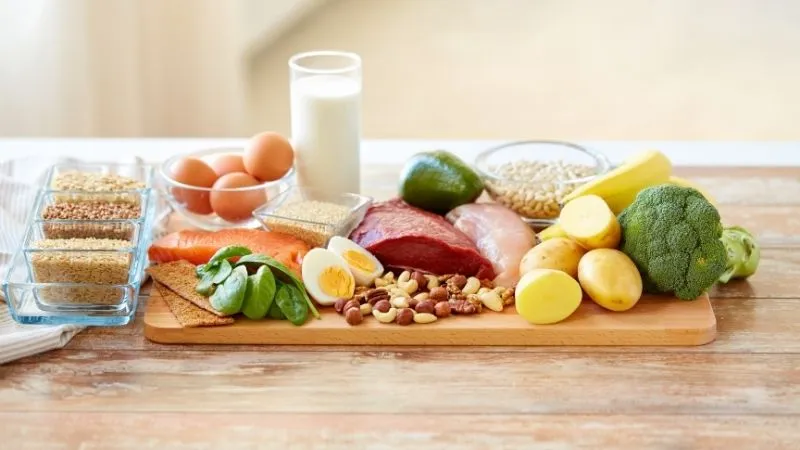
Disease Diet Safety Guide: The 3 Real Dietary Landmines You Must Avoid
Instead of blindly eliminating all meats, caregivers should focus their energy on guarding against truly high-risk foods. As long as you avoid the following 3 landmines, keep the daily diet as rich and varied as possible: [3] [4]
1. Strictly Avoid Raw and Unpasteurized Foods
During treatment, a patient’s white blood cell count often drops, leaving their immune defense extremely fragile. Any sashimi, soft-boiled eggs, unpasteurized cheese, or raw milk harbors a high risk of bacterial infection and must be strictly prohibited. Food must be cooked thoroughly.
2. Avoid Highly Processed and Cured Foods
Sausages, bacon, and luncheon meats contain large amounts of preservatives and artificial additives, which can easily trigger unnecessary inflammatory responses in the body. Consumption should be minimized.
3. Avoid Extremely Greasy and Indigestible Foods
The gastrointestinal mucosa becomes more fragile during treatment. Overly fried, greasy, or hard-to-digest foods will increase the burden on the stomach, easily causing bloating or nausea.
Practical Strategies for Caregivers: What to Do When Their Appetite Drops?
Treatment side effects (such as nausea, taste changes, and mouth ulcers) often make patients feel like they “can’t eat anything.” When this happens, caregivers should grasp the following practical principles:
“Caloric Intake” Takes Priority Over “Healthy Rules”: If the patient can only stomach ice cream, pudding, or foods usually considered “less healthy” today, let them eat it—as long as it is safe and hygienic. During extreme weakness, “being able to eat” is far more important than “eating perfectly.” Getting calories in is the primary mission.
Small, Frequent Meals and Liquid Supplements: Do not force the patient to finish a large bowl of rice at once. Switch to 5 or 6 small meals a day, and utilize thick soups, nutritional shakes, or high-protein smoothies to alleviate the exhaustion of chewing and swallowing.
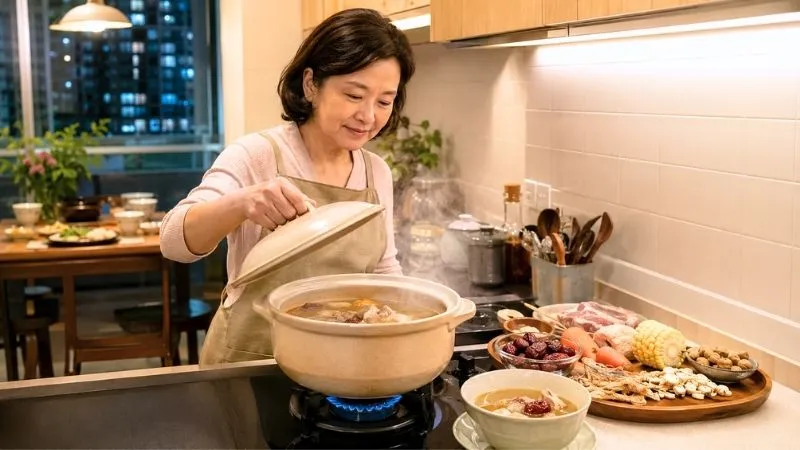
Break the Myth of “Drinking Only the Soup, Leaving the Meat”: In Hong Kong, families love to simmer traditional slow-cooked soups for patients. But please remember, the soup mostly contains water and fat; the “high-quality protein” truly needed for cellular repair remains in the meat. Therefore, they must eat the meat along with the soup to genuinely absorb the nutrients.
Complementary Nutritional Support: Choosing the Right Disease Supplement for Your Loved One
When a regular diet cannot meet daily caloric needs, or when severe side effects hinder digestion and absorption, pairing treatment with professional complementary supplements can build a strong protective shield for the body.
Multiple studies published in PubMed and international evidence-based medical journals show that natural marine fucoidan extracts play an excellent supporting role in disease care. Fucoidan helps soothe treatment-related discomfort and dual-regulates the immune system, allowing patients to regain the appetite and strength needed to absorb nutrition from regular meals. [5] [6]
The treament journey is long and dynamic. A patient’s need for fucoidan is not fixed; dosage should be flexibly adjusted based on the stage of treatment (early, middle, or late stage) and treatment intensity to maintain adequate defense. To suit swallowing and absorption conditions across different treatment phases,NatureMedic Fucoidan 3-PLUS offers two specialized formulations:
🛒 Capsule Type (Solid Defense for Long-Term Conditioning)
Suitable for: Individuals in the early stages of treatment whose swallowing ability remains normal, or those who have entered a stable recovery phase.
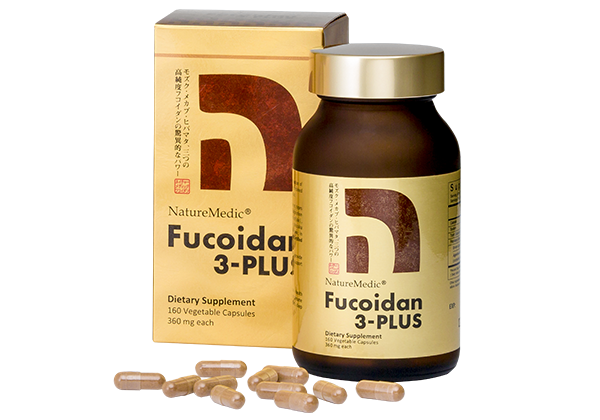
Advantages: Utilizing high-purity concentration technology and plant-based capsules, it is easy to digest. For patients requiring long-term, steady intake of high-concentration essence, the capsule form is highly portable and easily integrated into a daily routine, serving as a superb shield for long-term constitution conditioning.
Made in Japan · Easy-to-Digest Plant-Based Capsules
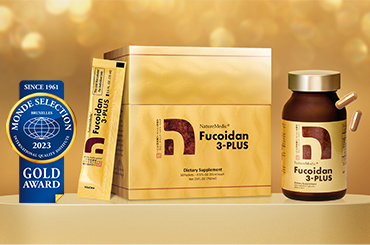
NatureMedic Fucoidan 3-PLUS Capsules (Triple High-Purity Fucoidan + Agaricus)
Specially formulated for early-to-mid stage conditioning, patients with normal swallowing ability, and post-treatment recovery. Combines high-purity Fucoidan from Mozuku, Mekabu, and Fucus (containing 40g of high-potency polysaccharides per bottle) with Agaricus blazei mycelia to dual-regulate immunity, maintain cell health, and support long-term strength.
* Consult your doctor or nutritionist before supplementation. Follow recommended dosages.
🛒 Liquid Type (Ultimate Absorption for Emergency Support)
Suitable for: Patients in the mid-to-late stages of treatment experiencing severe side effects, extremely poor appetite, profound weakness, or those with damaged oral mucosa and difficulty swallowing.
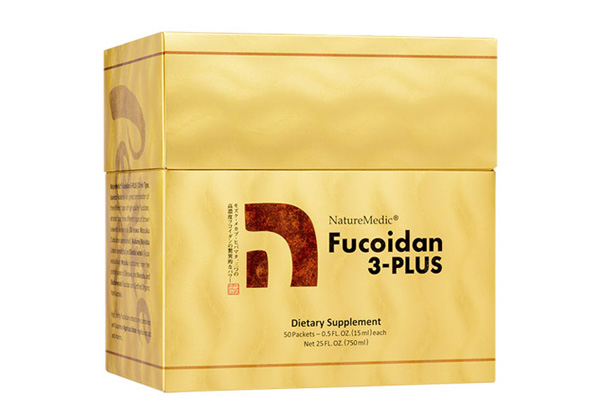
Advantages: The liquid molecules possess extremely high bioavailability, allowing them to be rapidly absorbed by a weakened body. Its natural, slightly tart taste can gently reawaken the patient’s appetite, providing the most timely, high-concentration immune support during the hardest-to-eat and most physically demanding phases.
Made in Japan · High Bioavailability & Fast Absorption
NatureMedic Fucoidan 3-PLUS Liquid Concentrate (Ultra-High Concentration + Refreshing Taste)
Designed for advanced treatment stages, severe treatment side effects, extreme fatigue, oral mucositis, or swallowing difficulties. Liquid molecules ensure rapid absorption without taxing digestion; the slightly tart flavor gently eases nausea and stimulates appetite when eating becomes difficult.
* Patients taking blood thinners or facing surgery should consult their physician first.

Conclusion: The Dining Table Is Not a Battlefield—Let Warm Companionship Be the Strength
Caregivers often carry even greater emotional stress than patients. Be gentle with yourself and avoid feeling guilty or anxious if your loved one leaves a few bites behind. Food provides physical nutrition, but it is also an expression of love. Keeping mealtimes relaxed and pressure-free offers a warm, supportive presence that is often the best medicine during treatment.
[Trending FAQs] Frequently Asked Questions About Disease Diet and Nutritional Support
Q1: During the treatment period, can the patient really not eat chicken and beef?
A: They can eat both! Thoroughly cooked chicken, beef, fish, eggs, dairy, and tofu are excellent sources of high-quality protein. They provide indispensable raw materials for repairing damaged cells and producing white blood cells. Choose fresh, lean cuts and ensure they are fully cooked.
Q2: If the patient is a vegetarian, how should their diet be managed during treatment? Will it lack nutrition?
A: Vegetarian patients can maintain their vegetarian diet, but they should increase their intake of soy products (tofu, soy milk), eggs, and dairy to supply enough calories and raw materials for cell repair. Combining legumes and grains (such as chickpeas with whole-wheat bread or red bean rice) ensures a complete profile of essential amino acids.
Q3: The patient constantly craves sweets or heavily flavored foods due to side effects. Should I strictly stop them?
A: Strict prevention is unnecessary. Treatments like chemotherapy often alter taste perception, making food taste bitter or bland. As long as food safety and individual medical restrictions allow, small adjustments to flavor can encourage eating—which is far better than eating nothing. However, patients with diabetes, kidney disease, mouth ulcers, or specific treatment plans should consult medical guidelines first.
Q4: The doctor said the treatment must be delayed because white blood cells are too low. How can we remedy this through diet?
A: No single food can instantly raise white blood cell counts. Consuming adequate protein and calories provides the foundation to support bone marrow blood cell production, but the priority during low WBC count periods is preventing infection. Strictly follow cooked-food guidelines and adhere to your medical team’s instructions.
Q5: Since Fucoidan has such high nutritional value, can it replace regular meals or nutritional shakes when the patient can’t eat?
A: No. Fucoidan is a complementary supplement designed to regulate immunity and ease discomfort; it cannot replace the complete calories, protein, and macronutrients provided by meals. Mealtime nutrition always comes first; fucoidan should be used as a supportive addition. (Note: If you are taking blood thinners or preparing for surgery, consult your primary physician before use.)
Q6: My family member just finished chemotherapy, has a very weak stomach, and feels constantly nauseous. Which type of Fucoidan is suitable?
A: The liquid formulation is recommended. When the digestive system is fragile, swallowing capsules can trigger gagging. The liquid formulation requires no lengthy digestion in the stomach and absorbs rapidly, while its mild, slightly tart taste helps soothe nausea and stimulate appetite.
⚠️ Medical Disclaimer
The content of this article is for health information and reference purposes only and cannot replace professional medical diagnosis and advice. Every patient’s condition and physical state are different. If you have specific medical needs or plan to adjust your diet and supplements, please be sure to communicate fully with your attending physician first.
Citations from Leading Authorities & Peer-Reviewed Journals: To ensure scientific accuracy and educational value regarding cancer care nutrition, the content of this article refers to clinical guidelines and published literature from NCI, ESPEN, ACS, MSKCC, and PubMed indexed medical journals [1-6].
1. Cancer Care Nutritional Support & Clinical Guidelines
Research Topic: Management of treatment side effects, malnutrition prevention, and weight/muscle preservation [1, 2].
Key Finding: Malnutrition and cachexia during active therapy directly impact treatment tolerance and survival rates. Guidelines emphasize daily protein intakes of 1.2–1.5 g/kg to prevent sarcopenia [1, 2].
“ESPEN practical guideline: Clinical nutrition in cancer“
2. Food Safety & Neutropenic Diet Guidelines
Research Topic: Food safety principles and infection prevention during periods of low white blood cell counts (Neutropenia) [3, 4].
Key Finding: Patients must strictly avoid raw, unpasteurized, or undercooked foods to eliminate pathogen exposure. Priorities lie in proper food hygiene and complete cooking rather than avoiding cooked proteins [3, 4].
3. Clinical Applications & Mechanisms of Fucoidan in Adjuvant Therapy
Research Topic: Translational potential of marine-derived fucoidan polysaccharides and dual-pathway immunomodulation mechanisms [5, 6].
Key Finding: Clinical studies demonstrate that fucoidan helps induce apoptosis in compromised cells, regulate NK cell activity, and reduce treatment-related fatigue and discomfort, serving as an effective nutritional backup [5, 6].
“Clinical applications of fucoidan in translational medicine for adjuvant cancer therapy“
“Fucoidan and cancer: a multifunctional molecule with anti-tumor potential“
🛡️ Medical Evidence & Review Disclaimer
The literature referenced on this page originates from leading public health institutions (NCI, ESPEN, ACS, MSKCC) and peer-reviewed journals. This material is provided for educational purposes only and should not replace medical advice, diagnosis, or treatment from your primary physician [1-6].