(852) 5729 0686


[30-Second Quick Summary]
Why Do Liver Enzymes Spike? Chemotherapy and targeted therapy drugs are metabolized by the liver. When the workload exceeds its limit, liver cell inflammation and rupture occur (causing ALT/AST to surge), which may even lead to the temporary suspension of treatment.
3 Daily Liver Support Strategies for Caregivers:
- Precise Protein: Follow a dosage based on body weight (approx. 1.0–1.2 g/kg) served in small, frequent meals. Prioritize soy milk, tofu, or dairy protein to reduce the risk of high blood ammonia.
- Strict Safety Control: Strictly avoid raw foods, moldy foods (aflatoxins), and herbal remedies of unknown origin.
- Anti-Inflammatory Diet:Consume deep-sea fish rich in Omega-3 and dark green vegetables high in antioxidants.
Advanced Nutritional Support: Consider high-purity fucoidan certified by international authorities (such as Monde Selection) to help regulate the inflammatory microenvironment and lighten the liver’s burden.
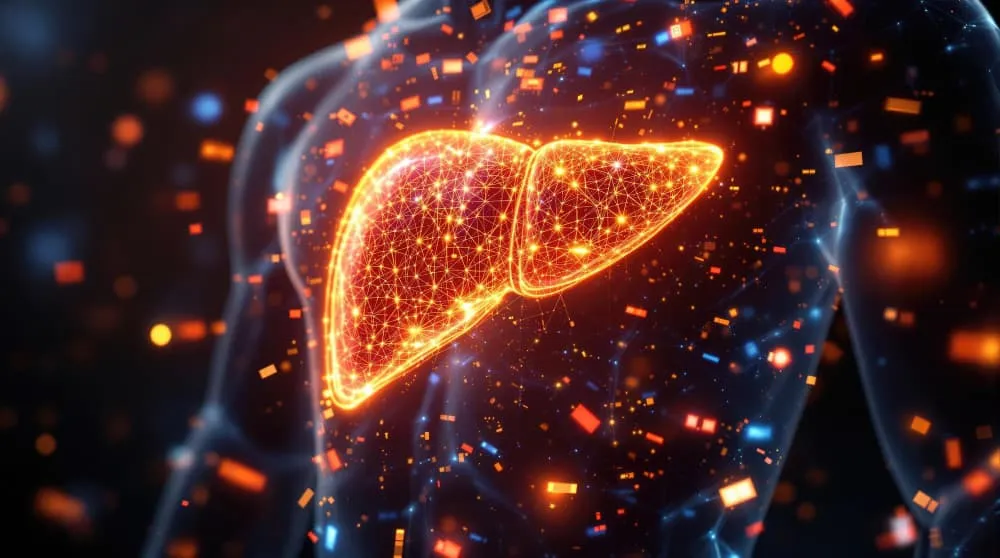
In the long journey of accompanying family members fighting stubborn illnesses, the most frustrating moment for patients and caregivers is often not the hardship of the treatment itself. Instead, it is the moment during a hopeful follow-up visit when the attending physician looks at the blood test report and says, “Your liver enzymes are too high; we must pause the treatment for now.”
This feeling of helplessness—wanting to treat but being unable to—is a shared pain for many families. However, elevated liver enzymes are not irreversible. As long as you understand the impact of treatment on the liver and reduce its workload early through daily diet and advanced nutritional support, you can gain repair space for the body and smoothly complete every treatment session on schedule.
Why Must Cancer Treatment Be Paused for High Liver Enzymes? Understanding the Impact of Chemo and Targeted Therapy on the Liver
The liver is the body’s “super detoxification factory,” responsible for metabolizing waste and toxins. During treatment, both chemotherapy and targeted drugs must be broken down and metabolized by the liver. This significantly increases its workload. If it exceeds the liver’s capacity, liver cell damage and inflammatory responses may occur, leading to abnormal liver enzyme levels.
This increased liver burden, combined with the energy depletion from treatment, often makes many patients feel constantly exhausted—as if they “can never get enough sleep.”
How to Identify Liver Problems? Decode These SOS Signals: Don’t Let Your Liver Suffer in Silence
The interior of the liver lacks pain nerves, so early-stage inflammation or mild damage won’t cause obvious pain. Caregivers can monitor the patient’s physical condition in a timely manner by observing two key indicators on blood test reports:
- ALT / AST: These are enzymes located within liver cells. When these numbers spike, it indicates that liver cells are inflamed and rupturing, causing the enzymes to leak into the bloodstream.
- Bilirubin: If there is a severe obstacle in liver metabolism and bile excretion, bilirubin will accumulate in the body, triggering “jaundice” (yellowing of the eyes and skin), often accompanied by dark urine and extremely low appetite.

How to Protect the Liver? 3 Daily Strategies to Reduce Liver Burden
To avoid treatment interruptions, caregivers can immediately implement the following 3 practical liver-protection strategies at home:
Supplement High-Quality Protein Appropriately with Small, Frequent Meals:
To reduce fatigue caused by treatment and illness, patients need sufficient protein to maintain strength and repair tissues. However, excessive protein can sometimes increase the liver’s burden of metabolizing ammonia. [1 Source:PMC] It is recommended to choose easily digestible, high-quality proteins such as fresh fish, chicken, or eggs, and adopt a small, frequent meal approach. This gives the liver enough time to digest and metabolize nutrients without overloading it at once.
Strictly Control Food Safety to Avoid Hidden Toxins:
During treatment, the patient’s immunity and liver detoxification capabilities are fragile. The diet must strictly avoid raw foods (e.g., sashimi, soft-boiled eggs) to reduce infection risks; foods prone to mold (e.g., long-stored peanuts and nuts) that can produce highly hepatotoxic aflatoxins; and herbal remedies of unknown origin to prevent deadly secondary damage to the liver.
Consume Natural Anti-Inflammatory Foods:
Add Omega-3-rich deep-sea fish or dark vegetables with high antioxidant capacity to the daily diet to help alleviate the body’s inflammatory microenvironment.
Gentle Repair for the Liver: Discovering Natural Protective Power from the Ocean
Faced with metabolic stress from treatments, relying solely on daily diet is sometimes insufficient to meet the body’s needs, making scientifically backed natural supplements a crucial option. Among various nutritional solutions, many caregivers who delve intowhat fucoidan is discover that this natural water-soluble polysaccharide extracted from brown seaweeds serves as an excellent nutritional repair foundation during treatment.
Recent studies on the efficacy of fucoidan point out that it not only plays an active role in alleviating chemotherapy side effects, but also possesses superior immune-modulating properties. This helps maintain internal balance and assists the liver in coping with daily metabolic burdens and inflammatory responses. [2 Source: Cancer Support Network]
However, to truly ease the burden on the liver, the product’s purity and safety are paramount. When evaluating recommended Japanese fucoidan options, family members should look for high-purity extraction and rigorous safety testing to avoid ingesting unnecessary impurities that add to the liver’s metabolic load.
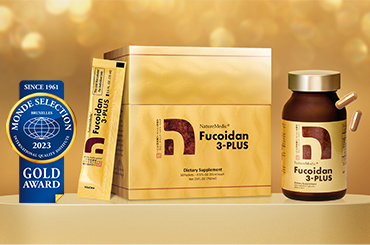
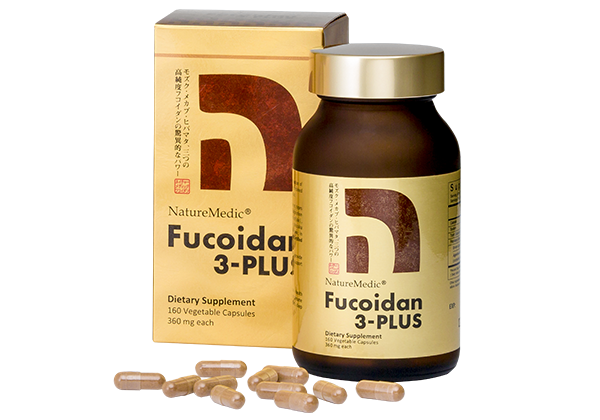
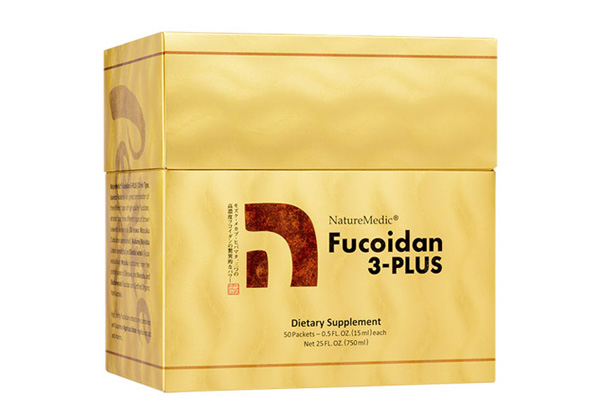
How to Choose Fucoidan? NatureMedic Fucoidan has passed rigorous evaluations by authoritative international third parties (such as Monde Selection) for 10 consecutive years, offering a commitment to health through transparent and objective international quality certifications. Its product, NatureMedic Fucoidan 3-PLUS, utilizes a high-end multi-formula design—combining the repairing power of Okinawa Mozuku, the defensive strength of Mekabu spores, and the antioxidant properties of Fucus to deliver synergistic health benefits and comprehensive nutritional support for patients.

Frequently Asked Questions (FAQ) About Liver Support
Q1: Do we have to stop the medication immediately if liver enzymes suddenly spike during chemotherapy?
Not necessarily. The attending physician will strictly evaluate based on the multiple by which the index exceeds normal levels (e.g., how many times AST/ALT exceeds the normal limit). Minor elevations are usually treated with liver-protecting medications under close observation; treatment is paused or dosages adjusted only when the elevation is severe. Combining good nutritional support and adequate rest during treatment helps maintain the liver’s repair capacity and reduces the risk of forced treatment interruptions.
Q2: Excessive protein increases the burden on the liver. How should caregivers manage intake?
For patients with existing liver conditions or abnormal liver function, protein remains a vital nutrient for repair and maintaining muscle mass. However, overconsumption produces higher levels of ammonia in the body. If this exceeds the liver’s current processing capacity, it may increase the risk of hepatic encephalopathy. When patients exhibit mood or personality changes, poor concentration, or reversed sleep cycles (daytime somnolence, nighttime hyperactivity), be alert that these may relate to elevated blood ammonia and worsening liver function, requiring prompt medical evaluation.
Dietarily, adopt a “small and frequent” distribution strategy for high-quality protein to minimize the metabolic load of large single-meal protein doses. Prioritize friendlier protein sources, such as plant-based proteins (soy milk, tofu) or milk proteins.
Because every patient’s liver condition differs, consult a physician and clinical dietitian. The general protein requirement for liver disease patients is approximately 1.0–1.2 grams per kilogram of body weight, which should be tailored by a professional team to provide repair nutrition without overloading the liver.
Q3: If we choose to supplement with Fucoidan, will it conflict with chemotherapy/targeted therapy? What is the best way to take it?
Pure Fucoidan is a premium nutritional essence extracted from natural food (seaweed), not a Western medicine, and generally does not conflict with treatments. It is recommended to take it 1 to 2 hours apart from Western medications. If the patient is in a stage of severe side effects and extremely poor appetite, the “liquid form” is recommended; it absorbs faster and its slightly tart taste can help stimulate appetite, significantly reducing the burden on the digestive system.
⚠️ Disclaimer: The health information in this article is for reference only and cannot replace professional medical diagnosis. Please consult your attending physician and clinical dietitian regarding specific medication and dietary adjustments for patients.
📚 Scientific Evidence and References
To ensure accuracy and professionalism, the content of this article is based on research published in international medical and biological journals:
[2] Cancer Support Network: Natural Fucoidan: Improving the Tumor Microenvironment and Boosting Immunity, Bringing New Hope to Chemotherapy Patients.