(852) 5729 0686




Many people experience an unstable stomach: sometimes constipation, sometimes diarrhea, or frequent bloating and slow digestion. Most treat it as an occasional issue and just bear with it.
Japanese‑origin fucoidan brands warn that if these symptoms keep coming back, the body is often sending a signal—your gut balance may already be affected. You should review your lifestyle habits and consider using high‑quality fucoidan supplements as part of your daily gut and long‑term health support.
The gut is not only responsible for digestion, but also closely linked to immune regulation, metabolism and overall resilience. When the gut environment stays unstable long term, subtle yet persistent discomforts gradually appear.
What is gut imbalance? What effects does it have on digestion and immunity?
Gut imbalance refers to a state where beneficial gut bacteria decrease and harmful bacteria increase, damaging the gut’s microbiome barrier. In general, gut balance can be broken down into three areas:
– A relatively stable gut microbiota ratio
– Normal digestion and peristaltic rhythm
– Regular and smooth bowel movements
When long‑term diet, sleep, stress or lifestyle habits are out of sync, both the gut microbiota and its motility rhythm can be affected, leading to various “not really an illness, but constantly uncomfortable” states. Since the gut affects not only digestion and absorption, but also immune regulation, metabolism and overall recovery, early‑stage gut health support is an important foundation for everyday wellness.
What are the common symptoms of gut imbalance? Watch out for 5 key signals.
① Irregular bowel movements, alternating between diarrhea and constipation
One of the most common signs is a disordered bowel rhythm, such as:
– Several times a day sometimes
– Only every two or three days sometimes
– Loose stools for a while
– Then hard stools a few days later
If this fluctuation becomes your “normal,” your gut rhythm is likely unstable and you should pay attention to daily gut health support.
② Frequent bloating or a heavy stomach
If you often experience the following after meals:
– Abdominal bloating
– Excess gas
– A heavy, uncomfortable feeling
– A feeling of being “stuck”
this may relate to digestive efficiency or the fermentation state of your gut microbiota. Besides reviewing your daily diet, you can also consider high‑quality gut‑supporting supplements such as fucoidan.

③ Feeling that your bowels are not fully cleared
Some people feel incomplete after defecation, or feel the urge to go again soon afterward.
This is often overlooked, yet it is a common sign of unstable gut motility and rhythm in clinical gut assessments.
④ Feeling unusually tired after eating
Feeling relaxed after a meal is normal, but if you often:
– Feel extremely tired right after eating
– Notice a clear drop in energy
– Feel particularly uncomfortable during digestion
this may indicate a heavy digestive load and elevated gut regulatory stress. You can adjust portion size, meal composition and other aspects of daily wellness to improve this.
⑤ Appetite and digestion that fluctuate frequently
The following patterns may also be linked to gut stability:
– A very good appetite one day, and no appetite at all the next
– Digestion speed that varies from fast to slow
– Changing food tolerance
If these ups and downs recur, your gut environment may be shifting. You should pay attention to your long‑term health‑support and gut‑support plan.
What lifestyle situations most easily trigger recurrent gut issues?
Rather than long lists of habits, it is more practical to look at “trigger situations.” Many gut‑related discomforts are closely tied to these circumstances:
– Several days of high‑fat or high‑sugar meals → affects gut microbiota balance, leading to bloating or changes in bowel movements
– A period of frequent eating out → lower fiber, more processed foods, slower digestion and “fullness” after meals
– Sudden changes in routine (late nights, travel, festival schedules) → bowel rhythm disrupted
– Periods of high stress → gut motility may speed up or slow down, causing constipation or diarrhea
– Significantly reduced water intake → more prone to constipation or difficulty passing stools
If you notice that gut issues recur during certain life phases, your gut is likely very sensitive to lifestyle rhythms, and you will need a structured plan for daily wellness and gut‑support supplementation.

What can you do when gut signals start to appear?
You don’t have to change everything at once. Simple, targeted adjustments can often reduce the burden:
– Prone to constipation → increase water intake and add soluble fiber (vegetables, fruits, legumes, oats, etc.)
– Prone to diarrhea → temporarily reduce high‑fat, high‑sugar and very spicy or irritating foods
– Frequent bloating → eat more slowly and avoid overeating
– Feeling very tired after meals → slightly reduce portion size and avoid eating too much at one sitting, to ease digestive strain
– Chaotic bowel timing → fix your breakfast time, drink enough water and ensure adequate fiber intake to help rebuild regular bowel habits

Daily gut support and fucoidan supplement strategies
In addition to lifestyle changes, some people also use fucoidan supplements as part of their daily gut and immune‑support regimen. When choosing a product, it helps to consider formulas that target both gut microbiota and overall wellness, such as:
– Using Japanese‑origin or high‑quality fucoidan extracts
– Combining fucoidan with probiotics to support both gut environment and immune function
– Suitable for long‑term, daily wellness and gut‑support use
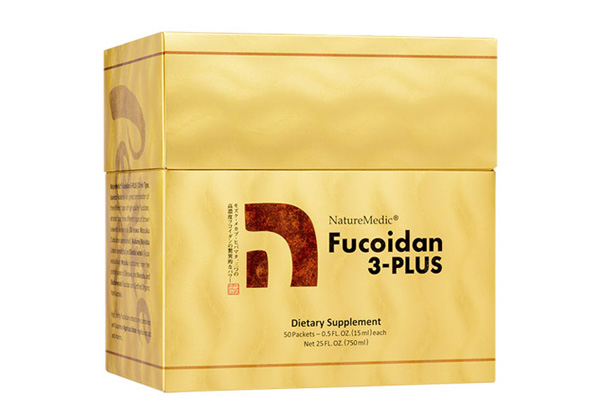
The formula design of NatureMedic Fucoidan 3-PLUS capsules takes into account that gut support should not rely on a single ingredient, but instead nurture both the gut microbiota and holistic health. The capsules include three types of fucoidan extracts (Okinawa kombu, wakame sporophyll, fucus) and also incorporate probiotics, making it convenient to support both gut health and immune‑related wellness in everyday use.
Among fucoidan products, combining fucoidan with probiotics and Agaricus blazei (Brazilian mushroom extract) is relatively rare. The brand’s concept is to combine the immune‑ and wellness‑supporting effects of polysaccharides with beneficial gut bacteria, so that both gut‑microbiota balance and immune support can be addressed during long‑term health‑support regimens.
>> To learn more about NatureMedic Fucoidan 3-PLUS Capsules, click here!

Gut signals deserve early attention
Many gut issues are mild in the early stages but can recur repeatedly.
Instead of ignoring them long term, start adjusting your diet and lifestyle habits and consider adding suitable fucoidan supplements and other nutritional support. Begin with daily wellness and steadily nurture a more stable gut environment.
Common questions about gut‑health support:
Q1: If I often have diarrhea or constipation, should I see a doctor first?
If symptoms are mild and short‑lived, you can start by adjusting diet, sleep and stress, while using appropriate supplements for daily wellness. However, if you experience severe abdominal pain, blood in stool, rapid weight loss, prolonged serious diarrhea or constipation, seek professional medical help promptly.
Q2: How can I better support gut health in daily life?
To support gut health, it helps to:
– Maintain a regular sleep schedule and moderate exercise
– Reduce heavily fried, refined‑sugar and highly processed foods
– Keep adequate water and fiber intake
– Manage stress and emotional well‑being appropriately
You can also combine these habits with suitable supplements such as fucoidan.
Q3: Is NatureMedic Fucoidan 3-PLUS Capsules suitable for gut‑health support?
NatureMedic Fucoidan 3-PLUS Capsules combine three types of fucoidan extracts with probiotics, helping to support gut microbiota and overall body conditioning. This product is suitable for people who want to start with daily wellness and focus on long‑term gut health and overall support.
Q4: What should I look for when choosing fucoidan supplements?
Key points to check:
– Whether the product clearly states “Japan‑origin import” or “Japanese‑sourced” fucoidan
– Fucoidan sources (e.g., Okinawa kombu, wakame sporophyll, fucus, etc.)
– Complete ingredient list and third‑party testing or quality certifications
– Clearly stated recommended dosage and precautions
Also consider your primary goal: whether you mainly want gut‑health support, daily wellness, or long‑term whole‑body conditioning, and choose a product that matches your needs.
Q5: Can fucoidan supplements be used for long‑term body conditioning?
Most commercial fucoidan supplements are designed for long‑term use as nutritional support, but the actual suitability depends on your constitution, health status and any medications you are taking. It is advisable to consult a doctor or dietitian before starting long‑term use.