(852) 5729 0686




In today’s wellness landscape, gut health has become a key focus. As more people prioritize immune and digestive health, terms like probiotics and prebiotics are becoming increasingly common. Yet, these terms can still seem a bit unclear for many. What exactly are probiotics and prebiotics? How do they impact our health? This article will explore these questions, helping you understand how they support overall wellness, especially gut health.
What Are Probiotics?
Probiotics are beneficial microorganisms that help maintain a balanced gut. The gut is home to hundreds of microorganisms, most of which support our digestive health. However, when harmful bacteria multiply, they can cause health issues like bloating, constipation, or even inflammation.
Probiotics act like “guardians” in the gut, helping to inhibit harmful bacteria and maintain a healthy environment. This, in turn, supports better digestion, strengthens immunity, and improves nutrient absorption.
Common Types of Probiotics
· Lactobacillus: Helps with lactose digestion and promotes gut health.
· Bifidobacterium: Supports digestive health and boosts the immune system.
What Are Prebiotics?

Unlike probiotics, prebiotics aren’t live organisms; they’re the food that nourishes probiotics and helps them thrive. Derived primarily from plant fibers, prebiotics are not absorbed by the body but instead provide essential fuel for probiotics, promoting a healthy gut microbiome.
In simple terms, prebiotics are “food” for probiotics, helping them grow and increase their effectiveness. They’re naturally found in certain vegetables, fruits, and whole grains.
The Added Value of Fucoidan Supplements
Beyond probiotics and prebiotics, fucoidan has gained attention in recent years within the health field. Fucoidan is a natural polysaccharide derived from brown seaweeds such as mozuku, Okinawa seaweed, and wakame, known for its potential in immune regulation and antioxidant activity.
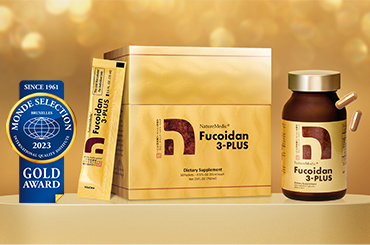
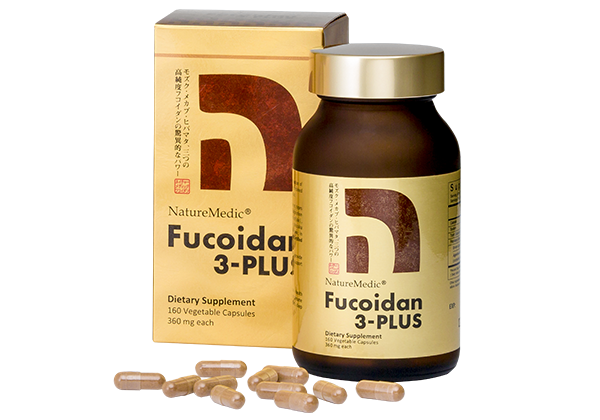
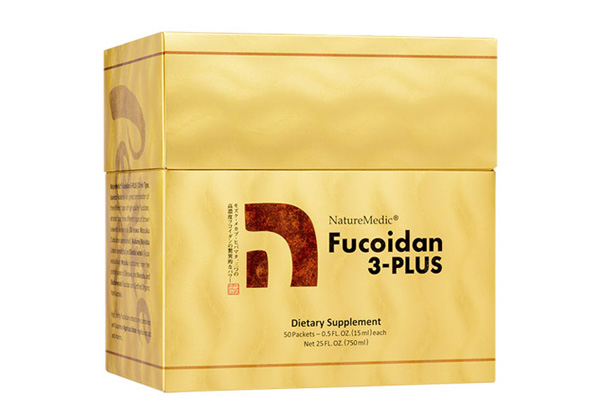
NatureMedic® Fucoidan 3-PLUS (Capsule Type) combines three high-purity fucoidan extracts (from Okinawa mozuku, wakame sporophyll, and Fucus vesiculosus) and adds two common probiotics (Lactobacillus paracasei and Bifidobacterium longum). This unique formulation effectively supports gut microbiota balance and immunity, providing more comprehensive protection for everyday health.
The Difference and Relationship Between Probiotics and Prebiotics
Probiotics and prebiotics are both vital for gut health, working hand in hand. Probiotics are the “good bacteria” in the gut that support gut health directly, while prebiotics are the nutrients that help these good bacteria thrive and maintain a balanced microbiome.
When taken together, probiotics and prebiotics create a synergistic effect, optimizing gut health. This powerful combination enhances beneficial bacteria growth, supports immune
health, improves digestion, and helps maintain overall wellness—a key foundation for a healthier lifestyle.
Frequently Asked Questions About Probiotics and Prebiotics
Q1: What is the difference between probiotics and prebiotics?
A: Probiotics are the “good bacteria” in the gut that directly improve the environment. Prebiotics are the “food” for probiotics, helping them reproduce and remain active. Together, they deliver optimal gut health benefits.
Q2: Why are gut health and immunity connected?
A: The gut is the body’s largest immune organ, with about 70% of immune cells located there. When gut microbiota is balanced, it can effectively resist pathogens, reduce inflammation, and strengthen overall immunity.
Q3: What role do fucoidan supplements play in gut health?
A: Fucoidan is a natural polysaccharide from brown seaweeds such as mozuku, Okinawa seaweed, and wakame. It has immune-regulating and antioxidant potential. Fucoidan supplements on the market often combine three high-purity fucoidan extracts and add probiotics, effectively supporting gut health and stabilizing microbiota.
Q4: Can daily diet provide probiotics and prebiotics?
A: Yes. Probiotics are commonly found in yogurt, fermented milk, and kimchi. Prebiotics are present in high-fiber foods such as onions, garlic, bananas, and oats. If diet alone is insufficient, supplements can help ensure balanced gut microbiota.
Q5: Who should consider fucoidan supplements?
A: People who value gut health, often experience digestive discomfort, have weaker immunity, or consume insufficient dietary fiber may benefit from fucoidan supplements combined with probiotics to maintain gut and immune balance.
In our next article, we’ll explore the specific health benefits of probiotics and prebiotics for immune and digestive health, and more. Stay tuned to learn how you can take proactive steps toward a healthier life!