(852) 5729 0686



✍️Content Written By: NatureMedic 3-PLUS Health Editorial Team 丨📖Data Sources: NCI, PMC, Medscape, CCS, etc. 丨📅Last Updated: October 28, 2026
No Single “Hardest” Chemotherapy Session:
Clinically, side effect severity varies depending on individual constitution, drug dosage, and regimen. Patients generally face two major hurdles: psychological fear and acute reactions during the 1st session, and cumulative fatigue and discomfort after the 3rd or 4th session due to toxicity build-up. Understanding cumulative effects and integrating precise nutritional support can significantly alleviate treatment distress.
🌿 Why Chemo Gets Harder: 3 Cumulative Side Effects & Practical Strategies
Chemotherapy suppresses bone marrow hematopoietic function, leading to low white blood cell counts. Closely monitor body temperature, strictly avoid raw foods (e.g., sushi, soft-boiled eggs) and unpasteurized dairy, and avoid crowded places to prevent infection.
Prone to causing nausea, oral ulcers, and diarrhea. Eat small, frequent meals, and take advantage of good appetite windows to replenish high-quality protein. Opt for bland, easy-to-digest foods (e.g., porridge, steamed egg) when experiencing nausea.
Numbness, tingling in hands/feet, or cold sensitivity often intensify as treatment progresses. Do not suffer in silence; track body changes and promptly inform your medical team to adjust supportive care.
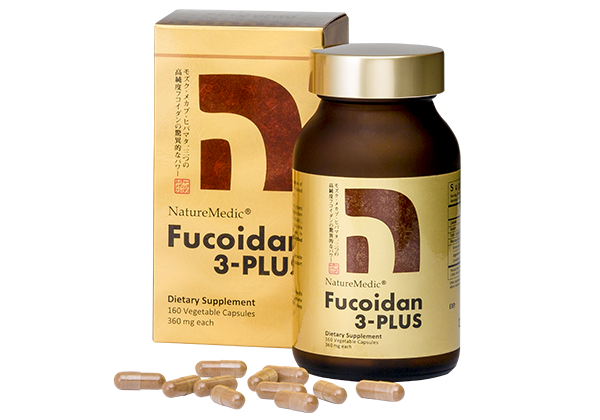
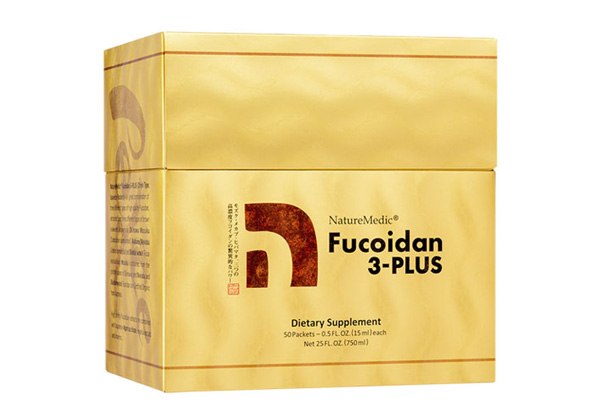
Ideal for individuals preparing for chemo, patients experiencing severe nausea or weakness during treatment, and those in recovery seeking to rebuild stamina. “NatureMedic Fucoidan 3-PLUS” combines three brown seaweeds. The “Liquid Type” is recommended during the acute treatment phase for rapid absorption and gastrointestinal soothing, while the “Capsule Type” offers long-term protection during recovery and maintenance phases.
- Seek Immediate Medical Care for Critical Symptoms: Contact your medical team immediately if you experience fever, severe vomiting/diarrhea, bleeding, or difficulty breathing during chemotherapy. Do not postpone treatment sessions on your own.
- Dietary Supplement Usage: Consult your physician before using supplements (especially if taking blood thinners or undergoing surgery). Maintain a 1 to 2-hour interval between supplements and medication or intravenous treatments.

As patients sit in the hospital treatment chair, watching the medicine drip from the IV pole, the anxiety that most often arises in their minds is: “Will the first session hurt? Will each subsequent session be more difficult than the last?”
This is a highly searched question online and also the most heartbreaking one for family members. From clinical experience, there is no single session that is medically defined as “absolutely the most difficult,” because everyone’s physique and treatment plan are different. [1] However, generally speaking, patients usually face “two major hurdles” during the long IV drip process. As long as we can grasp these side effect cycles early and intervene at the right time with the correct nutritional support, we can significantly reduce the pain brought by the treatment.
⚠️ Important Reminder: This article is for general health information purposes only and cannot replace professional medical advice. If you experience fever, severe vomiting or diarrhea, bleeding, or shortness of breath during chemotherapy, contact your care team or seek medical attention immediately.
Which Chemotherapy Session is the Most Difficult? Breaking Down the “Two Major Hurdles” of the IV Treatment
Which chemotherapy session is the hardest? There is no fixed answer. Some people may feel uncomfortable right after the first treatment, others may feel noticeable fatigue only toward the end of the course, and some experience few side effects. Actual responses are influenced by the chemotherapy drugs, dosage, treatment schedule, individual health condition, and supportive care. Even when receiving similar treatments, two patients may experience different side effects, severity, and durations. [1]
Taking nausea and vomiting as an example, symptoms may appear during or a few hours after treatment, or they can be delayed by several days. Fatigue may occur before, during, or after the treatment regimen is completed. [2] Therefore, rather than trying to predict “which specific session will be the hardest,” it is better to understand potential symptoms, log physical changes, and know when to contact your care team.
From clinical experience, patients most commonly encounter two “discomfort peaks”:
Hurdle 1: The First Session (Fear of the Unknown and Acute Reactions)
When the body is first exposed to high-intensity medications, some patients may experience acute nausea, slight fever, or allergic reactions. But for the vast majority of people, the first session is often a case of “psychological stress outweighing physical pain.” Because it is unknown, it is especially frightening.
Hurdle 2: Mid-to-Late Stages (The “Cumulative Toxicity” After the Third or Fourth Session)
This is where the real challenge begins! Many patients will find that while they could push through the first and second sessions, they feel incredibly exhausted by the time they reach the third or fourth session. This is because the toxicity of the medication continuously accumulates in the body, and the body’s self-repair speed can no longer keep up with the speed at which bad cells are destroyed, resulting in a feeling of extreme fatigue.
Why Does It Get Harder and Harder? Understanding 3 Common “Cumulative Side Effects”
Many patients feel that the first two sessions are manageable, but in later stages, fatigue and various discomforts become much more pronounced. This is usually related to the “cumulative effect”: the body may not fully recover between treatments, and the impact on healthy cells gradually becomes evident.
A Precipitous Drop in Immunity: Certain chemotherapy drugs affect the bone marrow’s ability to produce blood cells, causing a drop in white blood cells (WBCs) or neutrophils. As the ability to fight infections weakens, patients may feel frail and need to watch closely for infection signs such as fever, chills, cough, sore throat, or burning during urination. [3]
Continuous Damage to the Gastrointestinal Mucosa: Mucosal cells in the mouth, esophagus, and gastrointestinal tract regenerate rapidly and are susceptible to chemotherapy. Patients may start with mild nausea and gradually develop loss of appetite, mouth ulcers, diarrhea, or constipation, which impairs eating habits and nutritional status. [4]
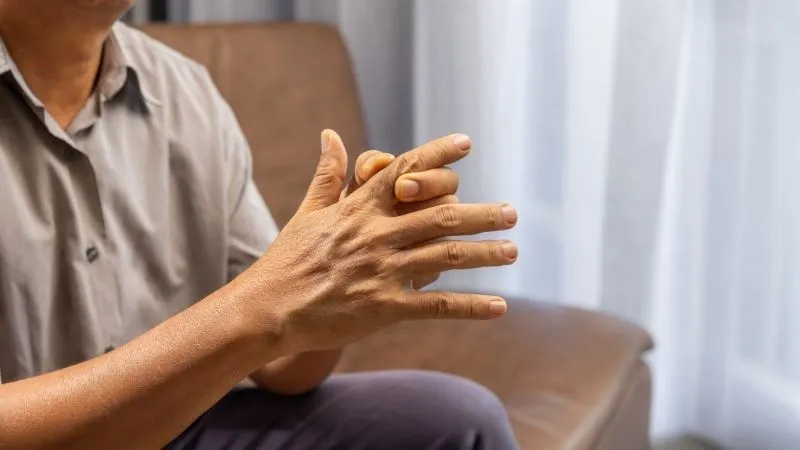
Emergence of Neurotoxicity: Certain chemotherapy drugs can cause peripheral neuropathy, such as numbness, tingling, or weakness in fingers and toes, or extreme sensitivity to cold. These discomforts sometimes become more noticeable as the number of treatments increases and should be reported to the doctor early to evaluate whether medication adjustments or supportive treatments are needed. [5]
Practical Strategies to Successfully Get Through the IV Treatment (A Must-Read for Family Members)
Do Not Just “Endure It”—Proactively Communicate with Healthcare Staff
Feeling unwell does not mean you have to suffer in silence. Modern supportive cancer care includes antiemetics, pain relief options, oral care recommendations, and protocols for managing low blood cell counts. Based on blood counts, symptom severity, and treatment goals, doctors can judge whether to adjust supportive therapy or postpone the next chemotherapy session.
Recommended Log Entries After Each Treatment:
☑ Frequency of nausea, vomiting, diarrhea, or constipation
☑ Body temperature, especially when experiencing fever or chills
☑ Food intake, fluid intake, and weight changes
☑ Fatigue level, sleep quality, and daily functional capacity
☑ Numbness, tingling, or cold sensitivity in hands and feet
Capitalize on Better Appetite Windows to Replenish Nutrition
Between chemotherapy sessions, when your appetite gradually recovers, take advantage of the opportunity to consume adequate calories and high-quality protein, such as eggs, tofu, fish, lean meat, dairy products, or soy milk. Specific choices should align with personal tastes, dietary restrictions, and medical advice.
If you experience nausea or poor appetite after treatment, try:
☑ Small, frequent meals instead of forcing large portions
☑ Bland, easily digestible foods like porridge, noodle soup, steamed eggs, bananas, or applesauce
☑ Avoiding greasy, spicy, or strongly scented foods
☑ Replenishing fluids and electrolytes as advised by your healthcare team
Maintain Infection Prevention and Everyday Rest
When white blood cells or neutrophils are low during chemotherapy, infection risks increase. Generally, avoid raw or undercooked fish, shellfish, meat, and eggs (e.g., sashimi, sushi, soft-boiled eggs), as well as unpasteurized dairy products. Pay close attention to food washing, thorough cooking, and proper storage.
Simultaneously, try to avoid crowded, poorly ventilated places. If you must go out, wear a mask as advised by your healthcare provider and wash your hands frequently. Rest is crucial, but complete bed rest is unnecessary; arrange light activities like walking or stretching according to your energy levels.
Full-Cycle Support: Targeted Fucoidan Strategies Matched to the “Treatment Timeline”
Some patients or family members search for “Fucoidan benefits” hoping to use nutritional supplements to ease fatigue or discomfort during chemotherapy. Multiple international medical journals have indicated that Fucoidan offers support in alleviating chemotherapy side effects and reducing treatment toxicity.
Note: If you are undergoing chemotherapy, consult your primary physician or pharmacist before taking any health supplements—especially if you are taking anticoagulants, antiplatelet drugs, or undergoing surgery soon. Fucoidan may interact with blood clotting mechanisms, and some studies have recorded instances of diarrhea in certain users.
Faced with numerous choices on the market, the recommended Japanese Fucoidan brand “NatureMedic Fucoidan 3-PLUS” exclusively combines a triple formula of Okinawa Mozuku, Mekabu, and Fucus vesiculosus. To help patients precisely combat the difficulties of different stages, we have specially designed the “Treatment Timeline Precision Nutritional Strategy”:
[Stage 1] Pre-Treatment Preparation + During Treatment (Battle and First-Aid Period)
▪ Highly Recommended: Liquid Extract
▪ Key Timing: One week before the start of the injections, and during the injection period (especially the most difficult 3rd to 5th days after the injection).
▪ Why Choose the Liquid Extract? During the treatment, the patient’s appetite is often at its worst, nausea is heaviest, and there might even be difficulty swallowing. The liquid extract does not need to go through the process of capsule dissolution in the stomach, and its liquid molecules can be absorbed most rapidly by a weakened body. Once consumed, the essence can directly cover and moisturize the damaged gastrointestinal mucosa, quickly replenishing the “ammunition” to fight against cumulative toxicity when the body needs first-aid the most.
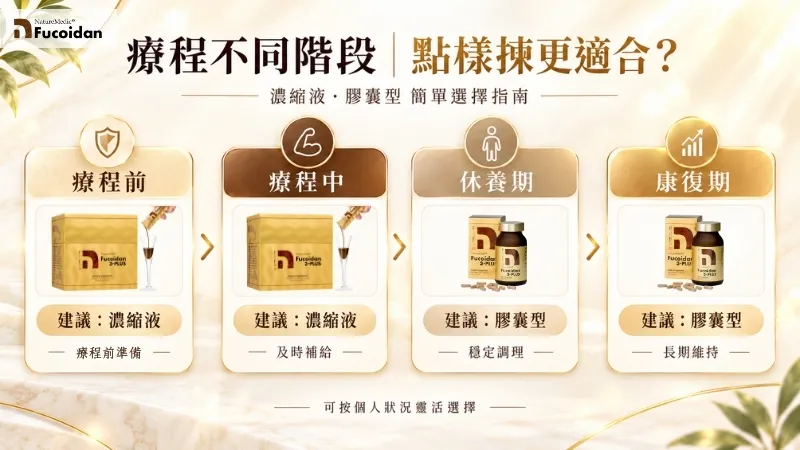
[Stage 2] Resting Period + Recovery Period (Stabilization and Reconstruction Period)
▪ Highly Recommended: Capsule Type
▪ Key Timing: The resting period between two injections (when the appetite is gradually recovering), and the long-term recovery and maintenance period after the entire Western medical treatment is completed.
▪ Why Choose the Capsule Type? Once the body successfully passes the acute side effect phase and the extremely weakened state begins to slowly recover, the capsule type can provide the patient with stable, long-lasting, high-purity protection. It is convenient for daily carrying and precise dosage control, helping patients stabilize their immune defense during the resting period, and providing the most solid physical conditioning in preparation for the next injection or long-term prevention of abnormal cell recurrence.
🛒 Precision Nutrition Product Recommendations Across Your Timeline
🔥 Highly Recommended
NatureMedic Fucoidan 3-PLUS【Liquid Type】
Best Timing: 1 week prior to chemo & during chemo (especially days 3–5 post-chemo)
- Fast Absorption: Liquid formula absorbs rapidly without needing capsule breakdown.
- Mucosal Support: Directly coats and soothes sensitive gastrointestinal lining.
- Easy to Swallow: Ideal for patients with poor appetite, nausea, or swallowing difficulty.
🌱 Long-term Protection
NatureMedic Fucoidan 3-PLUS【Capsule Type】
Best Timing: Resting period between chemo cycles & post-treatment maintenance
- High Purity: Delivers long-lasting, high-purity triple fucoidan extract.
- Immune Rebuilding: Strengthens physical stamina for upcoming sessions and recovery.
- Convenient: Precise dosing, easy to carry and integrate into daily routines.
Conclusion: Every Session is a Step Towards Recovery
Watching the IV drip drop by drop, please tell yourself and your family: feeling exhausted means the medication is working hard to fight the bad cells in the body. As long as we face it bravely, promptly report discomforts to the doctor, and equip our bodies with scientifically proven natural nutrition, we can absolutely complete this treatment journey full of strength and welcome the dawn of recovery.
[Trending Netizen FAQ] IV Treatment and Care Guide
Q1: After each IV session, which day is usually the most difficult?
There is no universal answer. Some patients experience more pronounced nausea, fatigue, or oral discomfort within the first few days after treatment. The actual peak time varies based on the chemotherapy drug, dosage, and individual constitution. If discomfort persists or worsens, contact your care team.
Q2: If it’s really too difficult, can I ask the doctor to delay the next session?
You can raise the request, but whether to postpone should be determined by the doctor based on blood counts, side effect severity, and the overall treatment plan. If you experience fever, severe vomiting, diarrhea, bleeding, or extreme frailty, contact your medical team immediately rather than stopping or rescheduling treatment on your own.
Q3: After coming home to rest following an IV session, what is absolutely forbidden to do?
Because immune function is significantly lowered during this period, it is generally advised to avoid raw or undercooked fish, shellfish, meat, eggs (e.g., sashimi, sushi, soft-boiled eggs), and unpasteurized dairy products. Food should be thoroughly washed, cooked, and properly stored to reduce infection risks.
Q4: On the day of the IV session, can I take Fucoidan as usual?
It is recommended to consult your primary physician first. If approved, space Fucoidan intake 1 to 2 hours apart from Western medications or infusion time. On the day of infusion and the days immediately following, patients are advised to prioritize the Liquid Type, which offers optimal emergency support to soothe strong nausea and protect the gastric mucosa.
Q5: Should I rest more or exercise more when fatigued during chemotherapy?
Both are needed. Adequate rest helps the body recover, but remaining bedridden for extended periods can cause physical stamina to drop. Depending on your daily condition, schedule light activities such as walking or stretching. If you experience dizziness, palpitations, or extreme fatigue after activity, stop and discuss it with your healthcare team.
⚠️ Medical Disclaimer
The content provided herein is for general health information purposes only and should not replace professional medical diagnosis, advice, or treatment. Chemotherapy responses vary significantly among individuals. If you experience emergency symptoms such as fever, severe vomiting or diarrhea, bleeding, or shortness of breath during treatment, contact your healthcare team immediately. Always consult your primary physician before making changes to your diet or adding dietary supplements.
Citations from Authoritative Institutions & Journals:
To ensure the accuracy and clinical validity of educational information regarding chemotherapy side effect timelines, cumulative toxicity, infection prevention, and precision fucoidan support, this content references peer-reviewed publications from the National Cancer Institute (NCI), National Institutes of Health (NIH/PMC), Medscape, and the Canadian Cancer Society (CCS) [1-5].
1. Chemotherapy Treatment & Patient Support Guide
Research Topic: Chemotherapy treatment experiences, individual variation in reactions, and patient self-care guidelines [1].
Key Conclusion: There is no absolute “hardest” session. Severity and duration of side effects depend on drug type, dose, schedule, and individual health status, requiring close tracking and communication with medical teams [1].
2. Cancer Treatment-Related Nausea and Vomiting
Research Topic: Mechanisms and management of acute and delayed chemotherapy-induced nausea and vomiting [2].
Key Conclusion: Symptoms can manifest during infusion, hours after, or delayed by several days. Modern supportive care (antiemetic medications and dietary adjustments) effectively alleviates gastrointestinal distress [2].
3. Chemotherapy-Induced Immunosuppression & Bone Marrow Suppression
Research Topic: Impact of chemotherapeutic agents on bone marrow hematopoiesis, white blood cells, and neutropenia [3].
Key Conclusion: Chemotherapy inhibits bone marrow blood cell production, causing significant drops in white blood cells and immune defense, necessitating strict temperature monitoring and dietary hygiene [3].
“Chemotherapy-induced immunosuppression“
4. Chemotherapy-Induced Mucositis & Digestive Tract Injury
Research Topic: Pathological damage to rapidly dividing mucosal cells in the oral cavity, esophagus, and gastrointestinal tract [4].
Key Conclusion: Mucosal lining damage leads to oral ulcers, loss of appetite, and diarrhea. Timely mucosal protection and soft, easy-to-digest nutrition maintain GI tract integrity [4].
5. Chemotherapy-Induced Peripheral Neuropathy & Cumulative Toxicity
Research Topic: Clinical manifestations and cumulative toxicity patterns of peripheral neuropathy (CIPN) [5].
Key Conclusion: Certain chemotherapeutic drugs cause cumulative nerve toxicity, leading to tingling, numbness, or cold sensitivity in hands/feet. Informing doctors early allows for timely support or dose modifications [5].
🛡️ Medical Evidence & Quality Review Declaration
All citations on this page originate from recognized cancer care institutions (NCI, CCS), government health agencies (NIH), and peer-reviewed medical databases (PMC, Medscape). This content aims to provide objective, science-based health information and does not replace personalized medical advice from your physician [1-5].